
What is Semax?
Semax is a synthetic peptide made of 7 amino acids. It was developed in Russia in the 1980s and is based on a short fragment of ACTH (adrenocorticotropic hormone), a hormone made by the pituitary gland. A few extra amino acids were added so it lasts longer in the body.
In Russia, Semax is registered as a medicine and has been used as part of care after stroke. In the United States it is not FDA-approved to treat any condition.
What has it been studied for?
- Attention and memory: small studies, mostly from Russia, look at attention and short-term memory.
- Stress response: lab research looks at how it affects stress-related signaling in the brain.
- Brain-related growth factors: lab and animal studies look at its effect on BDNF, a protein involved in how nerve cells grow and adapt.
- Stroke care: Russian clinical studies have looked at it as part of stroke recovery.
What the research doesn't show (yet)
Most Semax research comes from a small number of research groups in Russia. Many studies are small, and few have been repeated by independent teams elsewhere. There's very little high-quality research in healthy adults using Semax to improve focus or performance. That doesn't mean it can't help, but it does mean nobody can honestly promise results.
Who should be careful
- Anyone with a history of seizures or a mental health condition
- Anyone taking prescription medications, especially for mood, attention, or seizures
- Women who are pregnant, nursing, or planning to be
- Athletes in tested sports, who should check with their governing body first
Buying Semax online vs. a provider-guided protocol
Semax is widely sold online as a "research chemical," with no prescription, no provider, and no way to know what's in the product. At Onus, peptides are sourced from a U.S.-based manufacturer and prescribed only after a consultation with a licensed provider, who explains what the research does and doesn't show before you start.
How Semax works at Onus
- Free consult: we review your history, medications, and goals.
- Personal plan: your provider decides if Semax fits and sets the dose and schedule.
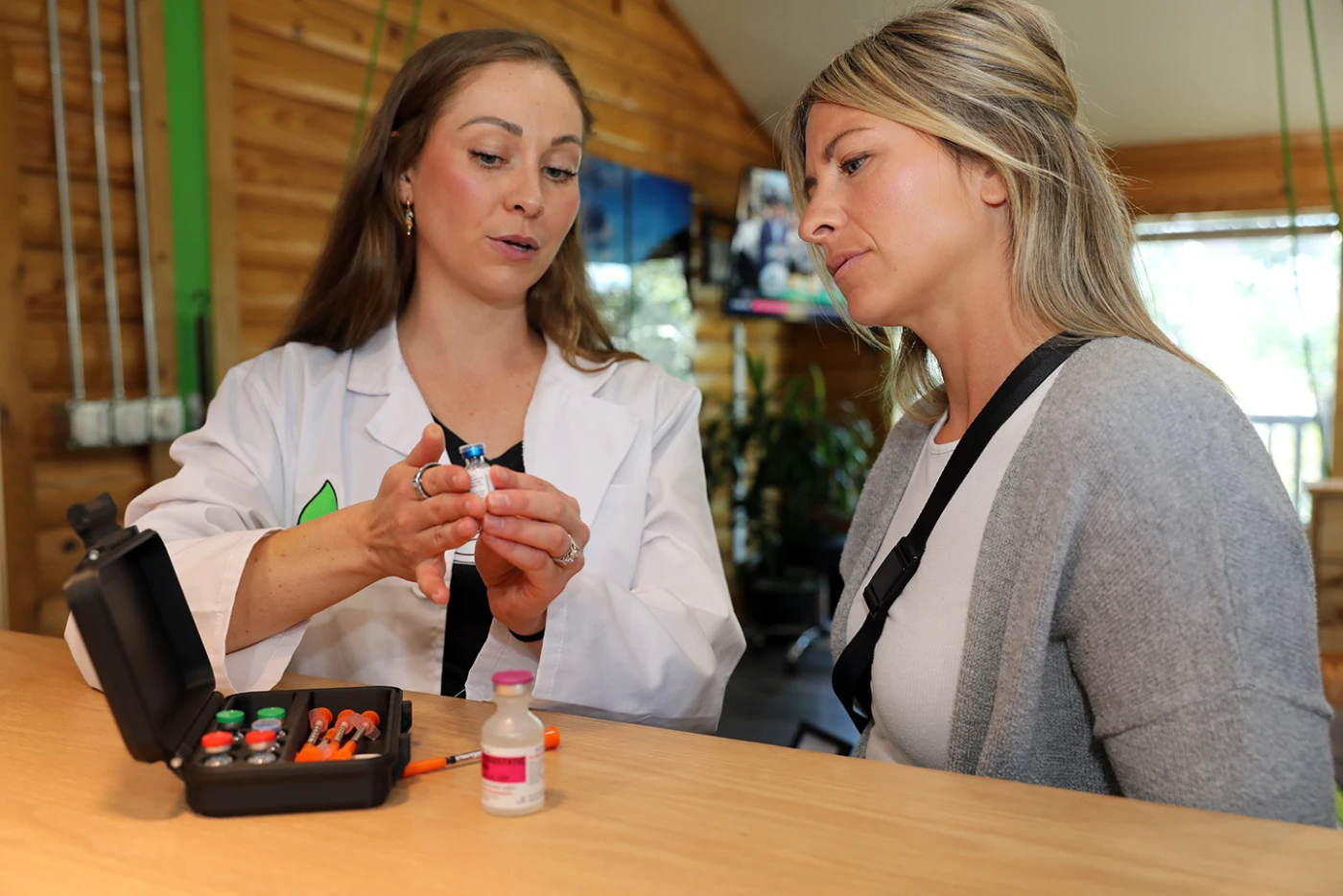
- Guided start: a nurse or nurse practitioner explains how your protocol is taken and stored, in store or by telehealth.
- Check-ins: we track how you're doing and adjust.
Many clients pair a focus protocol with NAD+ therapy as part of a broader longevity plan. Learn more on our Semax page, or book a free consultation at any of our 7 Colorado locations.
A note on the evidence
This article is general information, not medical advice. Semax is not FDA-approved to treat any condition, research is still early, and individual results vary. No outcome is guaranteed. A licensed provider looks at your history, medications, and goals before recommending any peptide.