
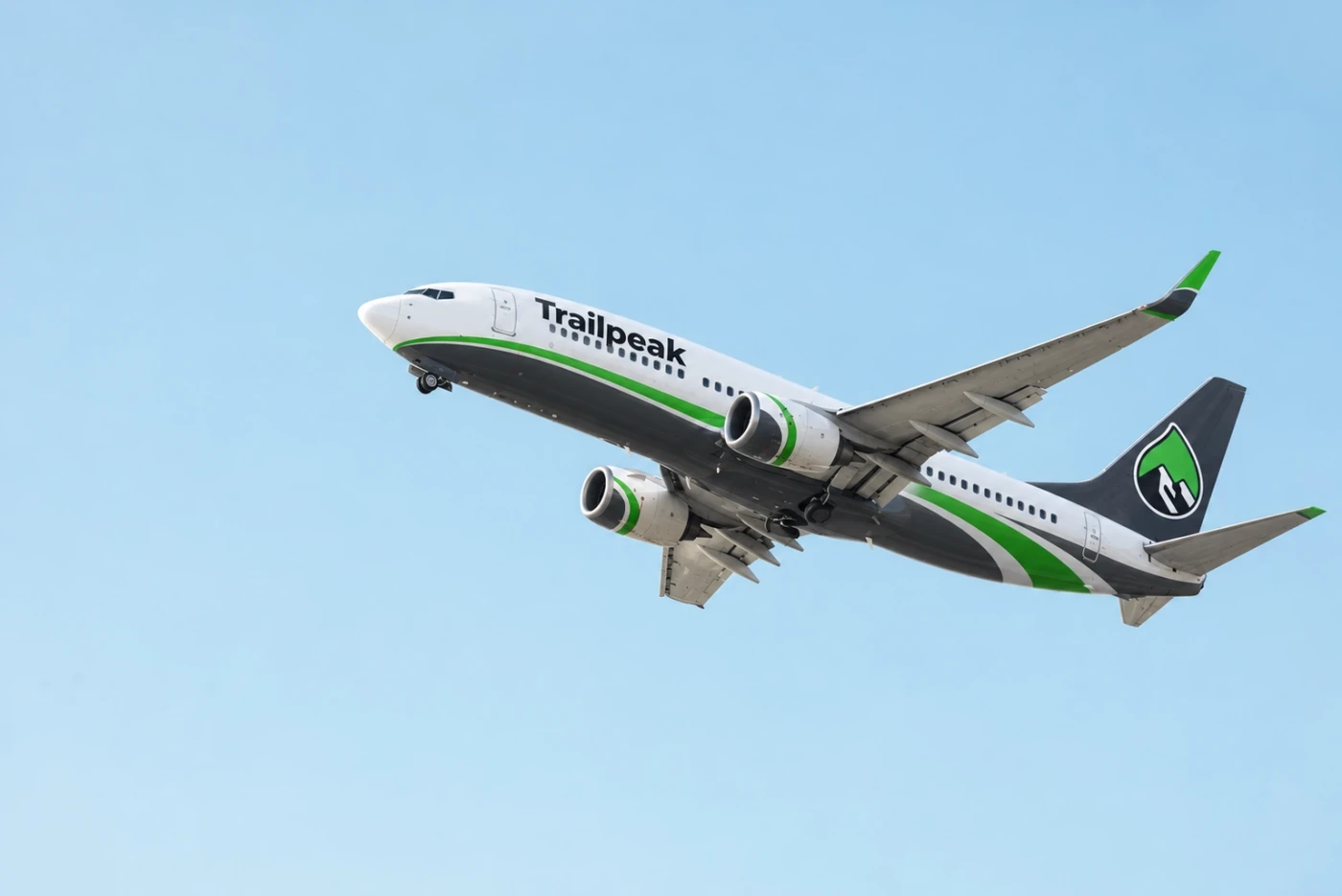
What is jet lag?
The CDC describes jet lag as a sleep disorder caused by rapid travel across time zones. Your internal body clock is still running on home time, while the sun, your meetings and your dinner reservations are running on local time. Until the two line up again, you may notice:
- Trouble falling asleep at night, or waking up too early
- Daytime sleepiness and trouble focusing
- Feeling generally unwell or “off”
- An upset stomach or a change in appetite
Doctors usually reserve the term for trips across at least two time zones. A one-hour change rarely causes true jet lag, though a long travel day can still leave you tired.
How long does jet lag last?
According to the CDC, the body adjusts by about 1 hour per day when you fly east, and about 1.5 hours per day when you fly west. Flying west is generally easier to adjust to.
Denver is on Mountain Time. Here's a rough guide based on the CDC's average adjustment rates. These are estimates, not predictions, and everyone is different:
- From New York, Boston or Atlanta (Denver is 2 hours behind, so you're flying west): about a day or so.
- From Chicago or Dallas (Denver is 1 hour behind): usually no real jet lag.
- From Los Angeles, San Francisco or Seattle (Denver is 1 hour ahead, so you're flying east): usually no real jet lag.
- From London (Denver is 7 hours behind, so you're flying west): about 4 to 5 days.
- Flying home to the East Coast (2 hours ahead of Denver, so you're flying east): about 2 days.
Why a Denver trip can hit harder
- It's a big connecting hub. Denver International Airport served a record 82.4 million passengers in 2025. It was the fourth-busiest airport in the U.S. and offered nonstop flights to more U.S. destinations than any other airport. Long days of connections add up.
- Conference season is busy. The Colorado Convention Center booked a record number of groups in 2025. Many visitors land and go straight into a full day of sessions.
- The air is dry, on the plane and on the ground. Cabin humidity often sits around 10 to 20 percent, and Denver's climate is dry too. That mostly shows up as dry skin, eyes and throat. The bigger fluid problem on travel days is usually simpler: not drinking enough, plus coffee and airport drinks.
A jet lag game plan for business travelers
These steps follow the CDC's travel guidance.
- Shift your sleep before you go. For 2 to 3 days before the trip, move your bedtime by about an hour a day toward Denver time: later if you're flying west, earlier if you're flying east.
- Drink water on the plane, and limit alcohol. Alcohol may help you fall asleep, but it breaks up your sleep. The CDC also notes that alcohol and caffeine can both cause dehydration, which can further worsen jet lag.
- Use daylight on purpose. Light is the main signal your body clock follows. After flying west, get outside in the late afternoon and evening. After flying east, get morning light.
- Time your caffeine. Coffee can help you get through the afternoon. Stop about 6 hours before bed so it doesn't cost you a night's sleep.
- Ask about melatonin before you try it. The CDC notes that low doses (0.5 to 1 mg) are often sufficient and that timing matters. Check with your doctor first.
- On a 1 to 2 day trip, consider staying on home time. If you'll be home before your body adjusts, it can make sense to keep your usual sleep hours as much as your schedule allows.
Can IV therapy help with jet lag?
Not directly, and here's the honest answer. No IV drip can reset your body clock, and we found no published studies testing IV therapy for jet lag. Light and sleep timing do that work.
What an IV can do is rehydrate you quickly. The CDC advises travelers to stay hydrated because fluid loss can make the physical symptoms of jet lag worse. An IV delivers fluids straight into your bloodstream while you answer emails in a comfortable chair. If you'd like to start your trip rehydrated, a drip fits easily between baggage claim and hotel check-in.
Options for travel days:
- Hydration ($95): pure saline to restore fluid balance.
- Myers' Cocktail ($190): a liter of saline with B vitamins, vitamin C, magnesium and calcium.
- Rockstar ($165): B vitamins and amino acids with fluids.
- Add a B12 shot to any drip for $30.
At Onus, our licensed nurses with emergency-room experience review your health history, then start and monitor your IV. IV therapy isn't right for everyone, and it isn't a substitute for medical care.
Onus on your way from DIA
Onus Central Park is the closest Onus location to Denver International Airport: about 15 miles, or 20 to 25 minutes via Peña Boulevard. It sits between the airport and downtown. Luggage is welcome, parking is free, and walk-ins are welcome 7 days a week.
Staying elsewhere? We're also in LoHi near downtown, the Denver Tech Center, Boulder, Wheat Ridge, Highlands Ranch and Fort Collins.
Bringing a team to Denver?
We bring IV therapy to offices, conferences, retreats and client events across Colorado, with onsite chairs, supplies and nurses. Tell us about your event and we'll send a free custom quote within 1 business day. See corporate and event IV therapy.
Sources
- CDC Yellow Book: Jet Lag Disorder
- Denver International Airport: 2025 milestones
- Visit Denver: Tourism in Denver increased in 2025
This article is general information, not medical advice. Talk with your doctor about jet lag, sleep aids or any health condition before you travel.