Written by: Chaz Faulhaber
Published: June 15, 2026

What Peptides Actually Do to Your Body

From cellular repair to metabolic reset — the science behind peptide therapy, explored by Andrew Huberman + Dr. Abud Bakri.

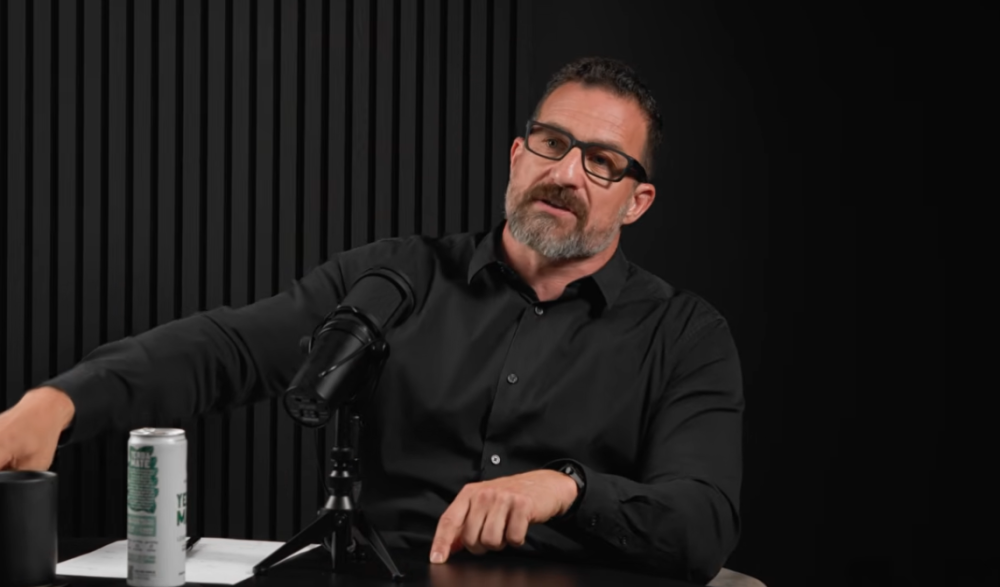
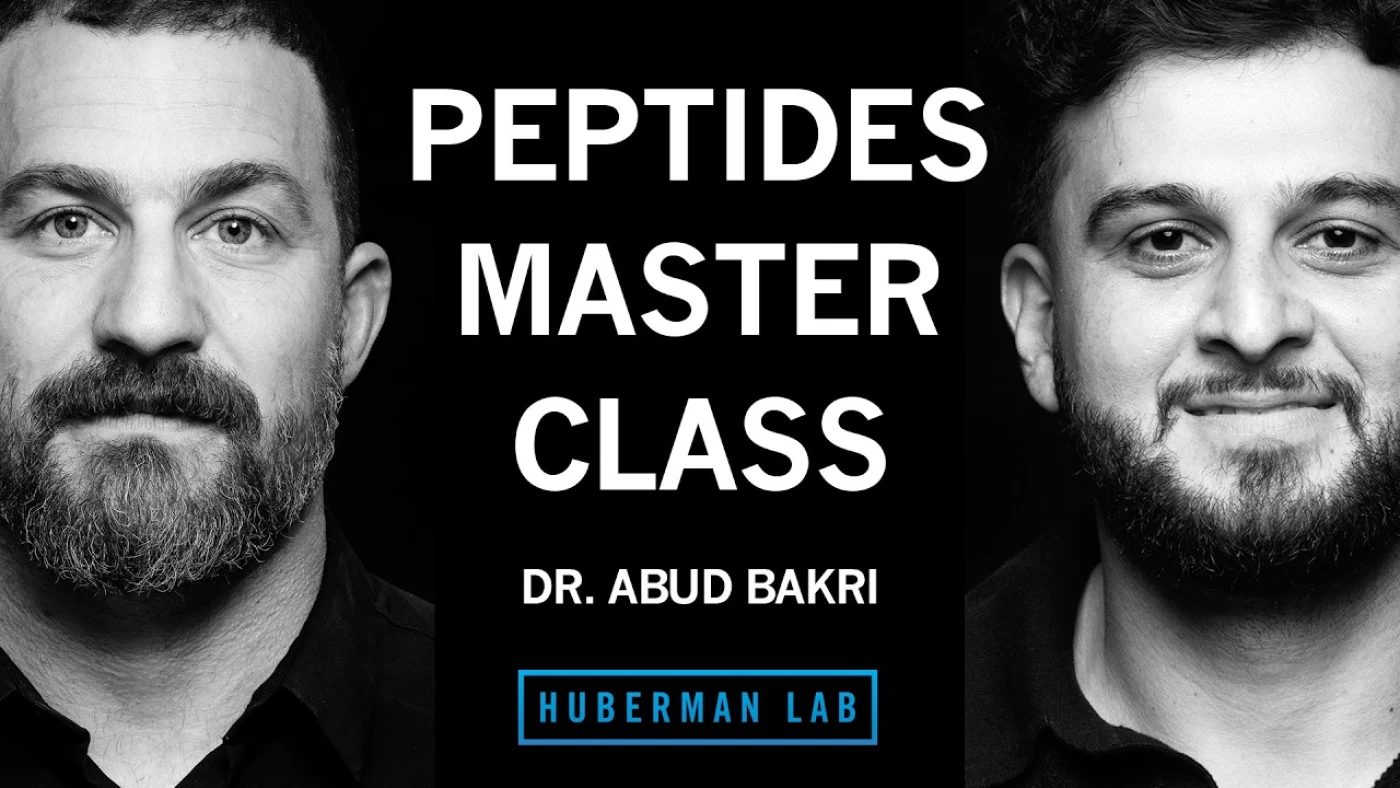
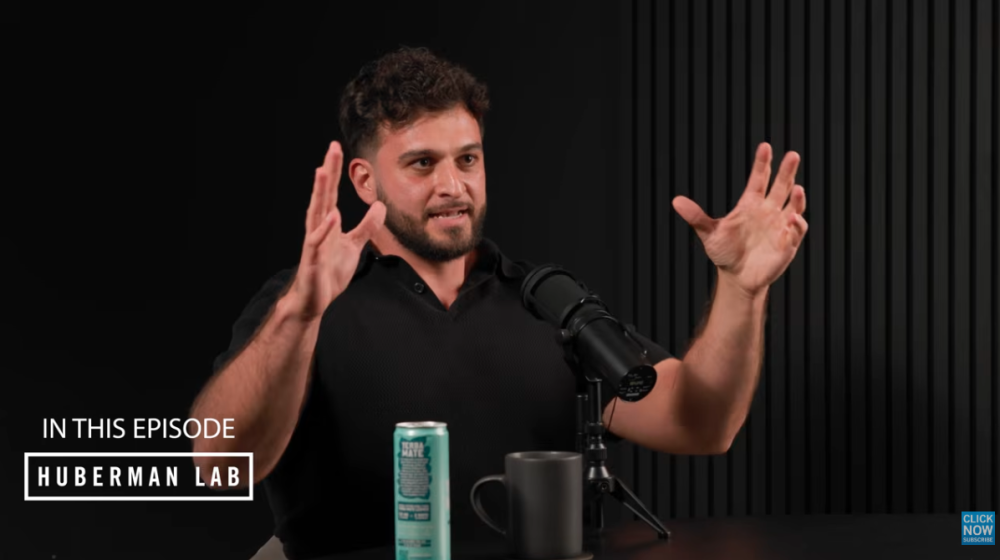
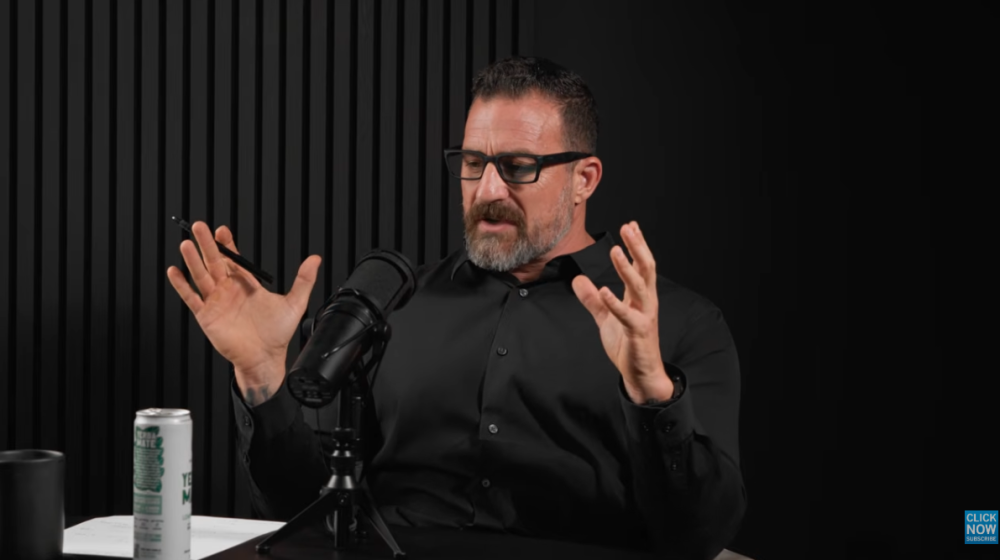
In a recent episode of the Huberman Lab podcast, Andrew Huberman sat down with Dr. Abud Bakri, MD — a board-certified internal medicine physician and expert in the clinical use of peptides — for a deep dive into the science, sourcing, and safety of the emerging class of peptide therapies.

8 Min Read · Category: Performance + Longevity

https://www.onusiv.com/images/uploads/peptide.jpg

Peptides are not a trend. They are the language cells use to coordinate repair, growth, and survival — short chains of amino acids that act as precise molecular messengers, like adding more cell towers to a neighborhood to strengthen the signal. What has changed is our ability to harness them clinically, to deliver specific signals to specific systems and produce outcomes once reserved for the realm of aging gracefully and hoping for the best.

In a recent episode of the Huberman Lab podcast, Andrew Huberman sat down with Dr. Abud Bakri, MD — a board-certified internal medicine physician and expert in the clinical use of peptides — for a deep dive into the science, sourcing, and safety of this emerging class of therapies. The conversation covers the current state of the evidence, the meaningful gap between animal and human data, and what patients should understand before pursuing peptide protocols.
THE REPAIR CLASS

BPC-157: What the Research Shows

Among the most discussed peptides in the clinical repair space, BPC-157 — Body Protection Compound 157 — is a partial sequence of a protein found in gastric juice. Preclinical research has explored its potential effects on tissue healing, gut integrity, and recovery, making it a subject of significant interest in the longevity and performance medicine space.

Dr. Bakri addresses the safety and sourcing questions that patients most commonly raise — including the important distinction between research-grade, compounded, and pharmaceutical-grade compounds. His perspective: mechanism matters. Peptides in this class work by supporting processes the body already runs, rather than overriding them. That said, Dr. Bakri is candid about where human clinical data is still developing, and what that means for patients and clinicians making decisions today.

Screenshot_2026-06-15_at_10.55.12 AM_.png

"The body already knows how to repair itself. Peptides give it the resources + the signal to do it."


Note: BPC-157 is not FDA-approved for any indication. All peptide protocols at Onus are administered under licensed clinical supervision and individualized to each patient's health history and goals.


GROWTH OPTIMIZATION

CJC-1295 / Ipamorelin: Supporting Your GH Pulse

Growth hormone output declines with age — typically beginning in your 30s, with downstream effects on body composition, recovery, sleep quality, and energy. CJC-1295, Ipamorelin & Sermorelin are growth hormone secretagogues — compounds that support the pituitary's natural, pulsatile release of GH rather than introducing exogenous hormone directly.

Huberman and Dr. Bakri spend considerable time on this class, with discussion of both the potential quality-of-life benefits and the important clinical considerations — including the role of individualized dosing and ongoing monitoring. For appropriate candidates, under proper clinical oversight, this class represents one of the more studied areas of peptide application.

Screenshot_2026-06-15_at_10.55.49 AM_.png

METABOLIC HEALTH

Semaglutide + Tirzepatide: The GLP-1 Class

Few pharmaceutical developments have generated more clinical conversation than GLP-1 receptor agonists. Semaglutide (GLP1) and Tirzepatide (GIP+GLP1) are, at their core, peptide therapies — synthetic analogs of gut hormones that support appetite regulation, insulin secretion, and metabolic function.

The cardiovascular outcomes data for this drug class is among the most compelling in recent medicine, with large-scale trials examining effects on major adverse cardiac events. Dr. Bakri discusses what this data means clinically — and what it doesn't mean, including important caveats around long-term use, fertility, and individual response. These are FDA-approved medications prescribed for specific indications, and their use at Onus reflects that clinical standard.

Screenshot_2026-06-15_at_11.26.00 AM_.png

VITALITY

PT-141: A Different Mechanism

PT-141 (Bremelanotide) is FDA-approved and operates through a mechanism distinct from the other compounds discussed here — acting centrally via melanocortin receptors rather than through vascular pathways. Dr. Bakri addresses this class within the broader context of quality-of-life medicine and the legitimate clinical interest in sexual health as a component of overall wellbeing.

Screenshot_2026-06-15_at_11.27.54 AM_.png

THE BIGGER PICTURE

Why Your Protocol Has to Be Personal

The promise of peptides is real. So is the importance of clinical context. Sourcing quality, dosing precision, contraindications, and individual biology all matter — and they require a clinician who understands both the science and your specific situation. The throughline of the Huberman Lab episode is that safety and efficacy work together: the right compound, at the right dose, for the right patient, managed over time.

At Onus, your protocol is built around your biology, your labs, and your goals. Every Onus patient has ongoing access to a dedicated nurse practitioner for free, continuous guidance and support — questions answered, doses adjusted, progress tracked. The goal isn't to hand you a peptide. It's to be a partner in the outcomes that matter to you: how you feel, how you perform, and how you age.

Watch the full Huberman Lab episode: Peptides Master Class featuring Dr. Abud Bakri at hubermanlab.com.


© 2026 Onus IV Therapy + Longevity — This content is for educational purposes only and does not constitute medical advice. Individual results vary. All peptide protocols require licensed clinical supervision. Semaglutide and Tirzepatide are FDA-approved medications prescribed for specific indications. Sermorelin and PT-141 protocols are administered under individualized clinical supervision. Consult your Onus provider to determine whether any protocol is appropriate for you.