
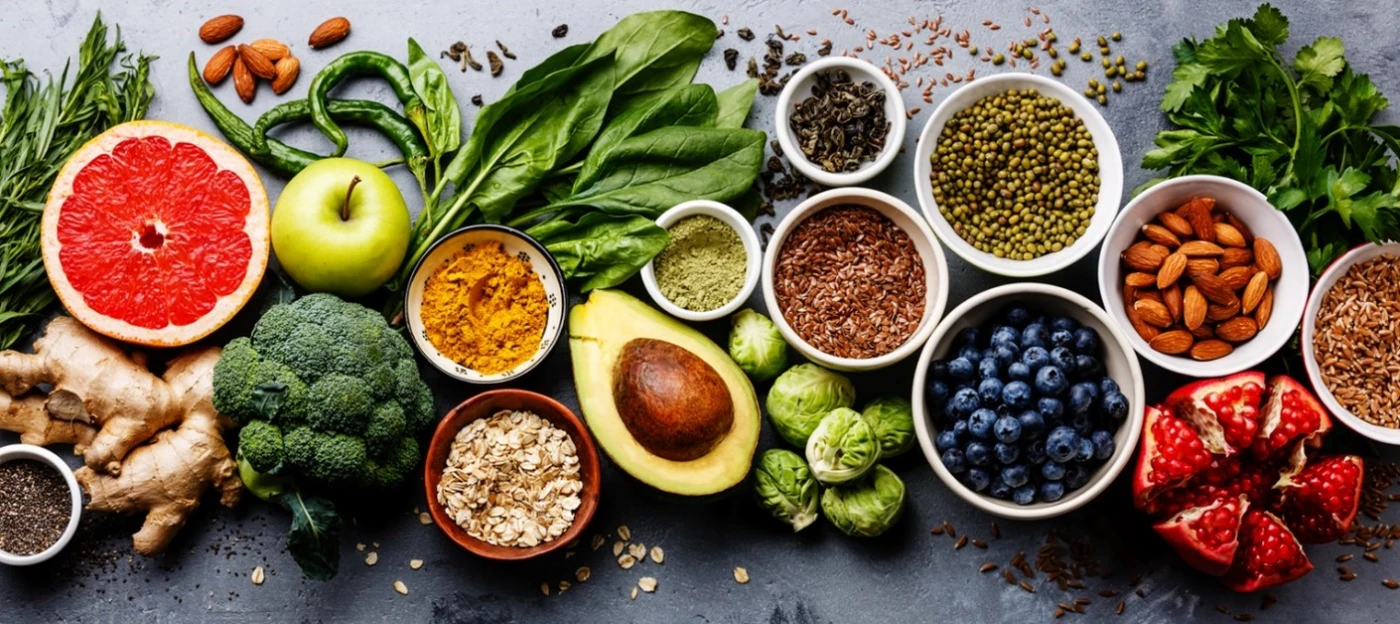
What Antioxidants Actually Do
Your body constantly produces free radicals, unstable molecules created through normal metabolism, exercise, sun exposure, and everyday stress. In small amounts, this is normal and even useful for cell signaling. In excess, free radicals can damage cells, proteins, and DNA, a state researchers call oxidative stress. Antioxidants are molecules that neutralize free radicals by donating an electron without becoming unstable themselves. Your body makes some antioxidants on its own and gets others, like vitamin C, from food.
The Research Is More Complicated Than the Marketing Suggests
Here's the part most antioxidant marketing skips. For decades, the assumption was straightforward: more antioxidants means less oxidative damage means less disease. Large randomized trials testing that idea directly have not been kind to it. A major Cochrane review pooling dozens of trials on antioxidant supplements, including beta-carotene, vitamin A, vitamin C, vitamin E, and selenium, found no evidence that supplementation reduces mortality in the general population. Beta-carotene, vitamin E, and high-dose vitamin A were actually associated with a small increase in mortality in the best-designed trials. Vitamin C and selenium were not linked to harm, but they also weren't shown to extend life or prevent disease the way early observational research had hoped.
It's worth being precise about what this does and doesn't mean. These trials mostly tested years of daily oral supplementation aimed at preventing chronic disease in large populations, which is a different question from using an occasional IV to correct a specific deficiency or support your body during a stressful stretch. But it's a useful reality check against any claim that more antioxidants automatically means better health outcomes.
Vitamin C IV Therapy: Antioxidant and Pro-Oxidant in the Same Molecule
At normal, everyday concentrations, vitamin C behaves as an antioxidant, the role most people know it for. At the much higher concentrations only reachable through IV administration, with IV vitamin therapy able to reach plasma vitamin C levels up to 100 times higher than oral intake, the chemistry flips. Vitamin C can start generating hydrogen peroxide, a pro-oxidant effect rather than an antioxidant one. This dual behavior is well documented in the research, though scientists are still working out the full mechanism.
This isn't just a lab curiosity. It's the reason high-dose vitamin C requires medical screening before treatment. People with G6PD deficiency, a genetic condition affecting how red blood cells handle oxidative stress, can be harmed by the hydrogen peroxide that high-dose vitamin C generates. Those high doses delivered intravenously can also carry risks such as toxicity and infection, which is why screening and supervision matter. That's a real safety consideration, not paperwork for its own sake, and it's why our High-Dose Vitamin C IV requires a doctor's note before your appointment.
What high-dose IV vitamin C hasn't been clearly proven to do is outperform lower, oral doses for general wellness outcomes in healthy people. The pro-oxidant mechanism has made it a subject of ongoing medical research in more serious contexts, but that research is early and specific to supervised clinical settings, not something to read into a wellness visit. For most people, the honest case for vitamin C IV therapy is straightforward: it's a fast, high-concentration way to correct a deficiency or support your immune system, administered under medical supervision because the dose that makes it interesting is also the dose that requires caution.
Glutathione IV: The Body's Master Antioxidant, With Some Caveats
Glutathione is made from three amino acids and functions as your body's primary intracellular antioxidant. It also plays a real role in liver detoxification pathways and immune cell function, which is why it shows up in so much wellness marketing. Levels can be depleted by illness, poor diet, alcohol use, and chronic stress, and unlike vitamin C, your body makes glutathione on its own rather than relying entirely on food.
Here's where it's worth slowing down. Glutathione IV therapy is frequently marketed for skin lightening and dramatic anti-aging effects, and that's exactly the claim the research supports least well. A 2016 safety review found no adequate long-term data on IV glutathione for skin lightening at all, and a separate placebo-controlled trial found it didn't outperform saline for lightening skin tone while producing liver-related side effects in some participants. Regulators in multiple countries have specifically flagged IV glutathione for skin lightening as an area of concern. If a provider is promising visible skin lightening from a glutathione drip, that's a claim ahead of the evidence, not behind it.
What glutathione IV therapy is on firmer ground for is general antioxidant and immune support, particularly for people with a known deficiency or a reason to think their levels are running low. At Onus, our Glutathione IV is positioned that way: a supportive addition to your wellness routine, not a cosmetic treatment we make specific promises about.
What IV Delivery Actually Changes
The practical advantage of IV nutrient therapy is straightforward. It skips digestion entirely, delivering vitamins and minerals directly into the bloodstream instead of being limited by how much your gut can absorb. For both vitamin C and glutathione, oral absorption drops off sharply at higher doses, which is part of why IV delivery can reach blood levels that pills can't. Intravenous delivery provides 100% bioavailability and can also offer rapid hydration alongside vital micronutrients. Common ingredients include Vitamin C, B vitamins, and magnesium. What IV delivery doesn't automatically do is guarantee a better clinical outcome just because the number on a lab test goes up. Higher blood levels are a real, measurable effect. Translating that into a specific health benefit depends on why your levels were low in the first place.
Who Might Consider Antioxidant IV Therapy
This is a reasonable option to explore if:
- You have a confirmed or suspected deficiency in vitamin C or glutathione, and want support for immune function and overall cellular health as part of maintaining optimal health, not as a substitute for a balanced diet
- You're dealing with a stretch of high physical or immune stress, like frequent travel, illness, or intense training; for some people facing chronic fatigue, it may help improve energy levels, reduce fatigue, and lessen post-exercise lactic acid buildup
- You want a convenient, fast way to replace essential nutrients or essential vitamins efficiently, especially if oral supplements or diet alone haven't been reliable
- You're already working with a provider on a broader wellness plan and antioxidant support fits into it
It's a less reasonable option if you're expecting a specific cosmetic result, like visible skin lightening, or hoping it will meaningfully reduce long-term disease risk on its own. The research doesn't support either of those expectations yet.
Book Your Vitamin C or Glutathione IV
At Onus, both options are available by walk-in or appointment at any of our Colorado locations, 7 days a week. Most IV vitamin therapy sessions take about 30 to 60 minutes. Our High-Dose Vitamin C IV comes in doses from 10 to 100 grams and requires a doctor's note before treatment, so plan ahead if that's the route you want. Our Glutathione IV doesn't carry that same requirement and is a straightforward add-on to any visit. Improper IV administration can lead to infection, thrombophlebitis, or air embolisms, and oversight is not uniform across all wellness clinics or compounding-pharmacy-based services.
Either way, for patient safety, every IV infusion should be administered by trained medical professionals using strict sterility protocols, and ours is handled by ER-certified nurses and nurse practitioners who can help you decide which one, if either, makes sense for your goals.